Build what you want to exist in the world
Could not load the audio file. Regenerate with npm run generate:article-audio or
check that exists under public/.
One of the biggest shifts right now is that it has become incredibly easy to build things you personally want to see in the world.
That sounds simple, but I think it changes a lot.
For a long time, software had to justify itself upfront. Does this have a big enough market? Will it make money? Is there enough return on investment to make it worth building?
That logic used to make sense. Building software was expensive. Designing it was expensive. Maintaining it was expensive. You needed more people, more time, and more money just to get something decent into the world.
AI changed that.
It changed the cost of making. It changed the speed of making. It changed who gets to make. The gap between having an idea and actually turning it into something real has collapsed.
Walt Disney said, “If you can dream it, you can do it.” That line feels much more true now than it did even a few years ago. Today, if you can imagine a product clearly enough, there is a very real chance you can build it. Maybe not perfectly on day one, but far enough to make it real.
And that changes what is worth building.
You no longer need a giant market to justify starting. You do not need to convince yourself that millions of people are waiting for it. You can make something because you want it to exist. Because you care about it. Because it fits your taste. Because it solves a small frustration you keep running into.
And if that need is real for you, there is usually someone else out there who wants the same thing.
Reference Board
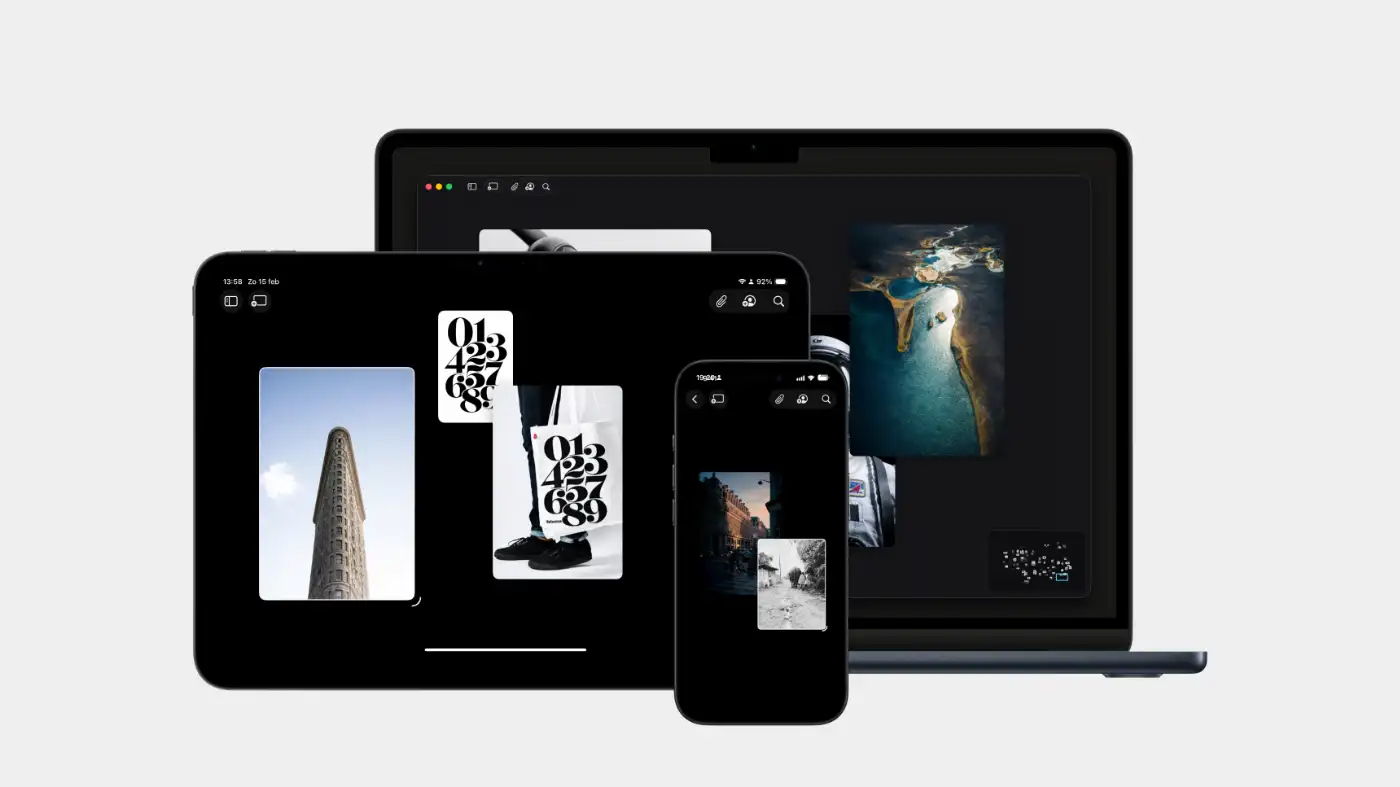
That is where Reference Board came from.
I wanted a better place to collect inspiration.
Not a noisy feed. Not a social platform. Not a tool trying to keep me engaged for the sake of engagement. Just a focused place to save images, organize visual direction, build mood boards, and stay close to the things that move me.
That is the whole idea behind Reference Board.
It is a native app for macOS, iPhone, and iPad built for people who collect visually. Designers, sure, but not only designers. It could be an interior designer, a gardener, an architect, a graphic designer, a photographer, a brand designer, or just someone with a strong visual taste who likes collecting references and shaping ideas over time.
The app lets you collect inspiration, organize it into boards, and explore similar images. It is meant to feel lightweight and calm. You save something when you find it, come back to it later, and slowly build your own visual world around projects, moods, themes, or interests.
That part matters to me. I did not want to make another place to scroll. I wanted to make a place to keep.
Privacy As A Product Decision
A big reason I made it the way I did is privacy.
Everything important happens locally. Your inspiration lives on your device. The intelligence runs on your device. The app uses the hardware and AI models already built into Apple devices, which means it can stay fast, responsive, and private at the same time.
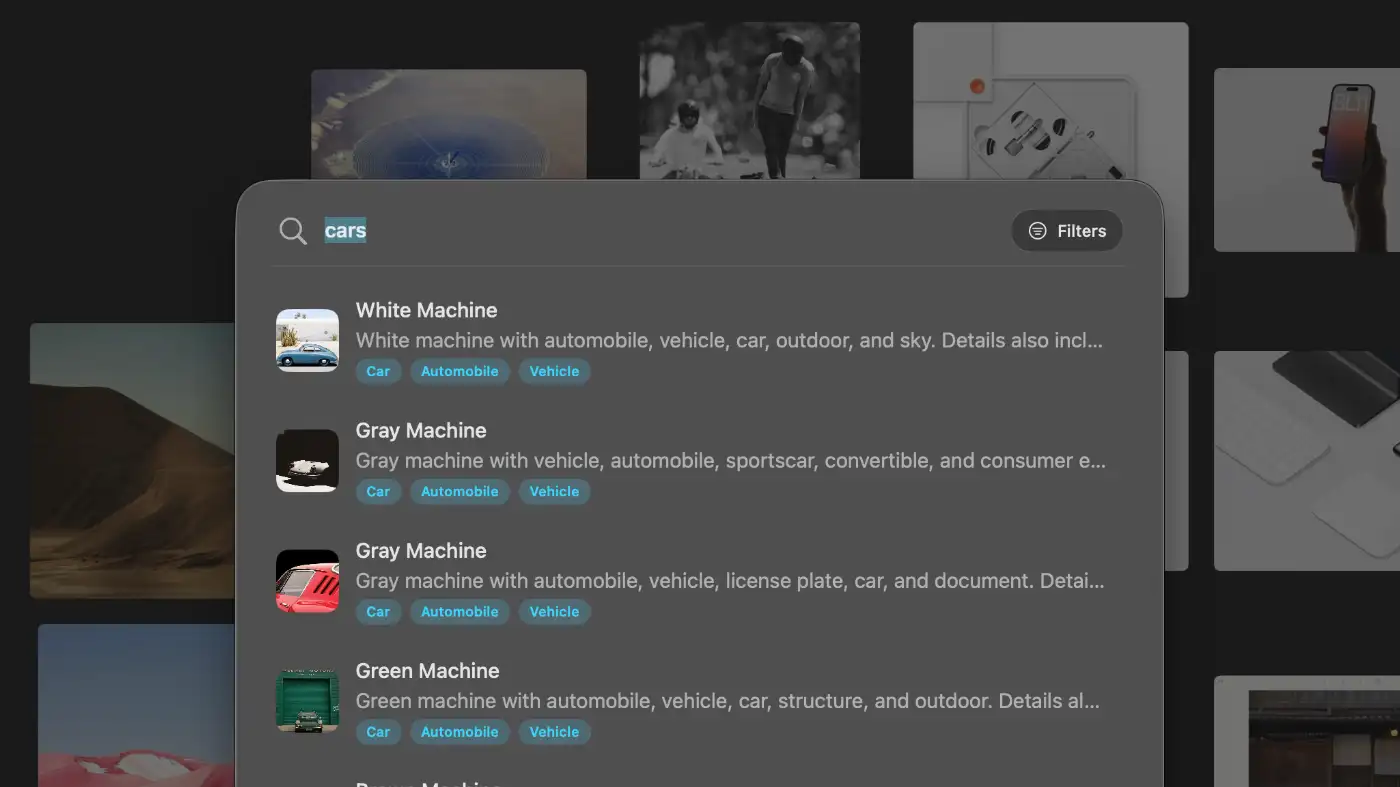
That was one of the biggest product decisions from the start.
I did not want to host people’s files. I did not want to store their boards on my servers. I did not want analytics dashboards telling me what people save, what they click, or what kind of taste they have. I do not want insight into people’s inspiration. I do not want to learn from their behavior. I do not want to watch how they use the product.
I just want to give people the tool.
That is it.
For me, that is a much better deal. People keep control of their own references. Their mood boards stay theirs. Their taste stays theirs. Their process stays private.
And it also changes the economics of building something like this.
Because so much can happen on the client side, there is no extra hosting cost for me to manage huge volumes of user content. There is no complicated backend needed just to make the core experience work. There is no pressure to introduce tracking or monetization tricks just to support infrastructure costs that come from storing and processing everything centrally.
Native Matters
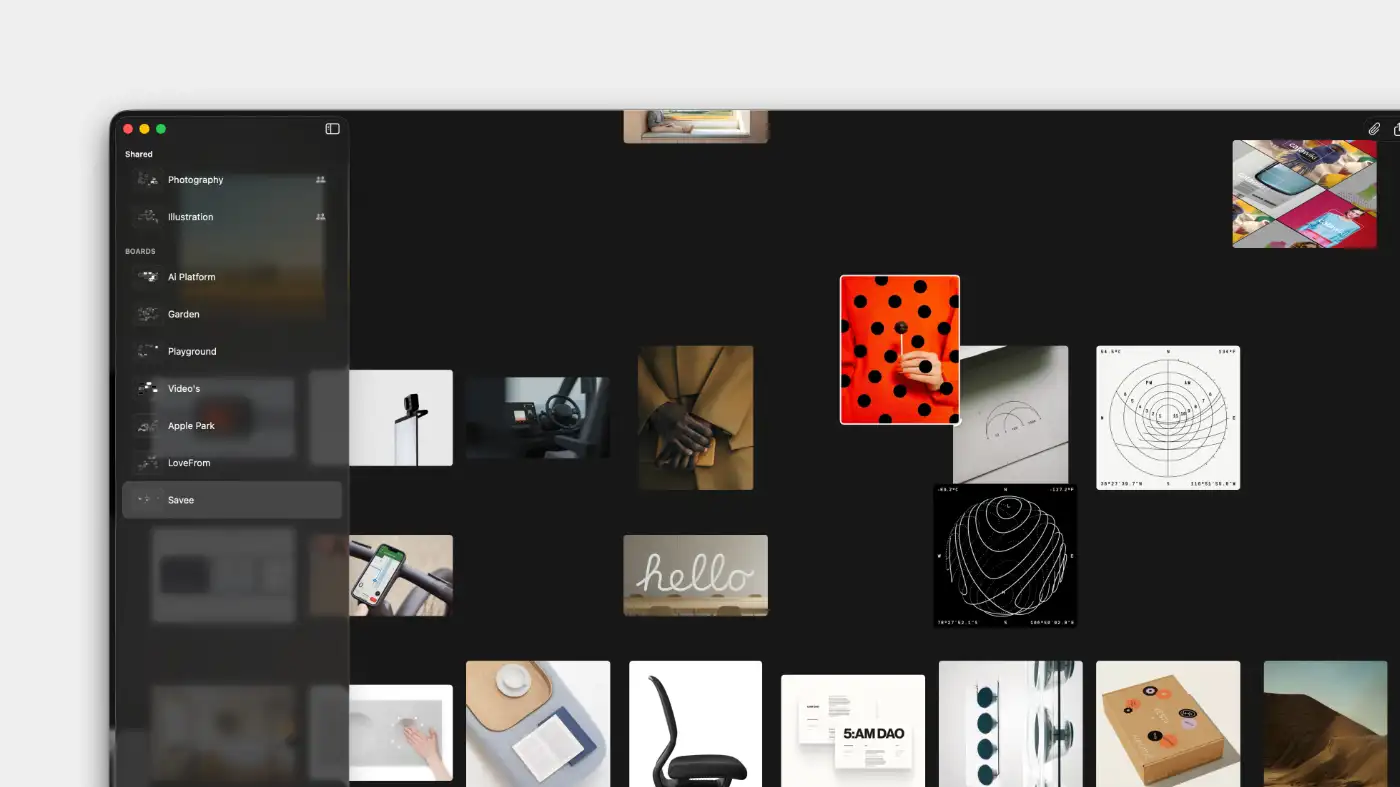
That freedom is a big part of why I wanted to build this as a native Apple app.
I think macOS and iOS are actually fantastic platforms to build for. In the past, native apps could feel expensive and harder to justify, so a lot of people defaulted to the web. But Apple’s ecosystem has become such a strong foundation. The system frameworks are mature. The performance is great. Maintenance is manageable. Updates are solid. Privacy is much easier to protect. And the devices themselves are already where people live.
So instead of fighting the platform, I wanted to lean into it.
Reference Board is built fully in SwiftUI and designed to feel native to the system. Fast. Responsive. Familiar. It works across Mac, iPhone, and iPad, so your inspiration stays with you wherever you are. You can collect something quickly on one device, organize it later on another, and keep moving without friction.
That continuity matters.
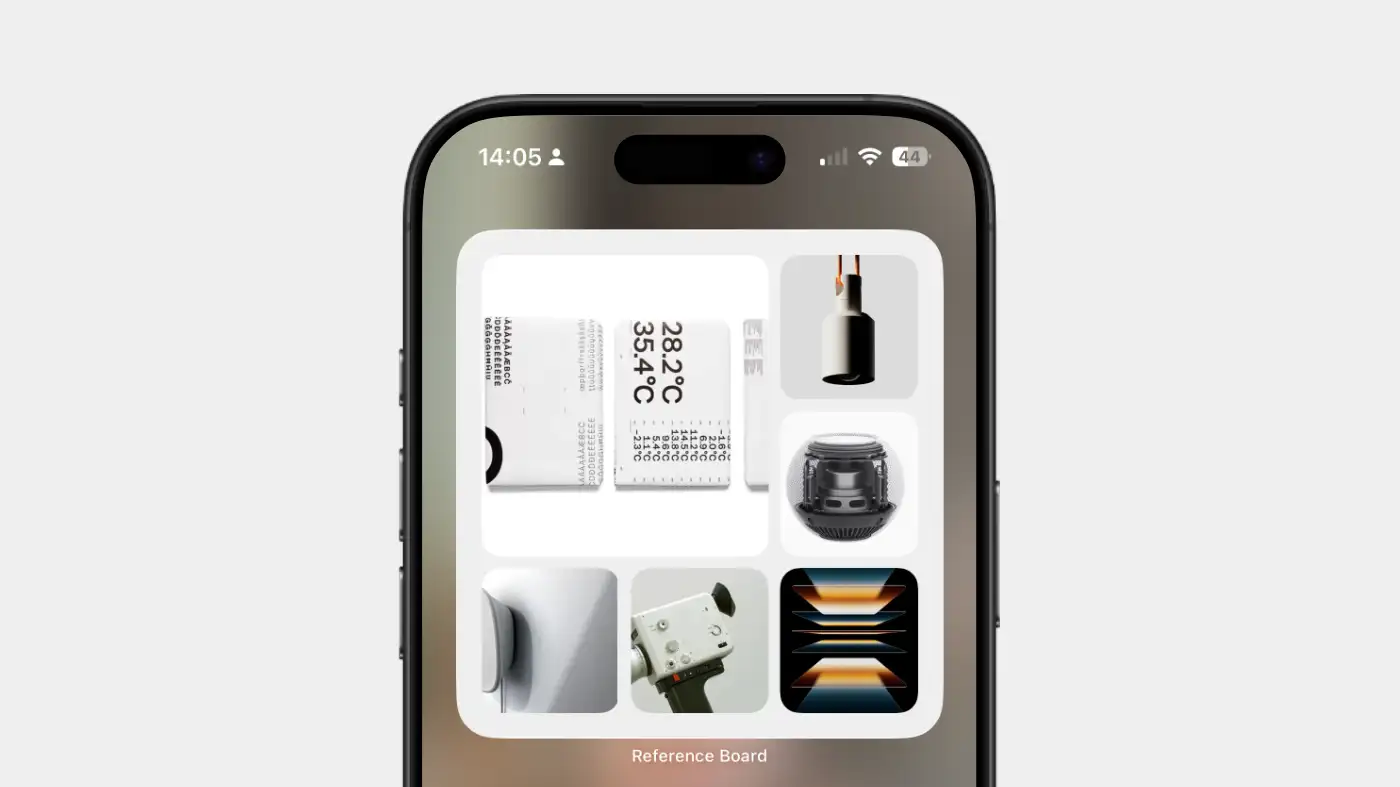
So does the widget. It sounds like a small detail, but I really like that inspiration can live a little closer to the surface. Not in an intrusive way. Just there, quietly, as part of your day. A small reminder of the things you are collecting and shaping.
That is the spirit of the app for me. It should feel useful, calm, and personal.
Reference Board is not trying to be everything. It is trying to do a few things well:
- Help you collect inspiration.
- Help you organize it.
- Help you discover similar visuals.
- Help you shape mood boards around what you care about.
- And do all of that without compromising privacy.
Why This Moment Matters
That might sound niche, but I think that is exactly the point.
We are moving into a time where niche no longer feels like a weakness. It can actually be the reason to build. If you can make something that fits your own standards and your own taste, that is already a strong starting point. You do not need permission anymore. You do not need a giant team. You do not need a giant business case. You do not even need to pretend the product is for everyone.
It can just be for people like you.
And there will almost always be some.
That is what excites me most about this moment. Not just that AI makes things faster, but that it removes old excuses. The cost is lower. The tools are better. The infrastructure is lighter. The barrier between an idea and a working product is smaller than it has ever been.
So if there is something you wish existed, you should probably just make it.
Even if the niche is small.
Even if there are already other tools out there.
Even if it only really makes sense to you at first.
That is enough now.
Reference Board is my version of that idea. A private, native place to collect inspiration, build visual direction, and keep it all close across the Apple ecosystem.
If you want to see more, take a look at Reference Board.